Ready to take a different approach?
Let’s identify where Overroute can create measurable value first.

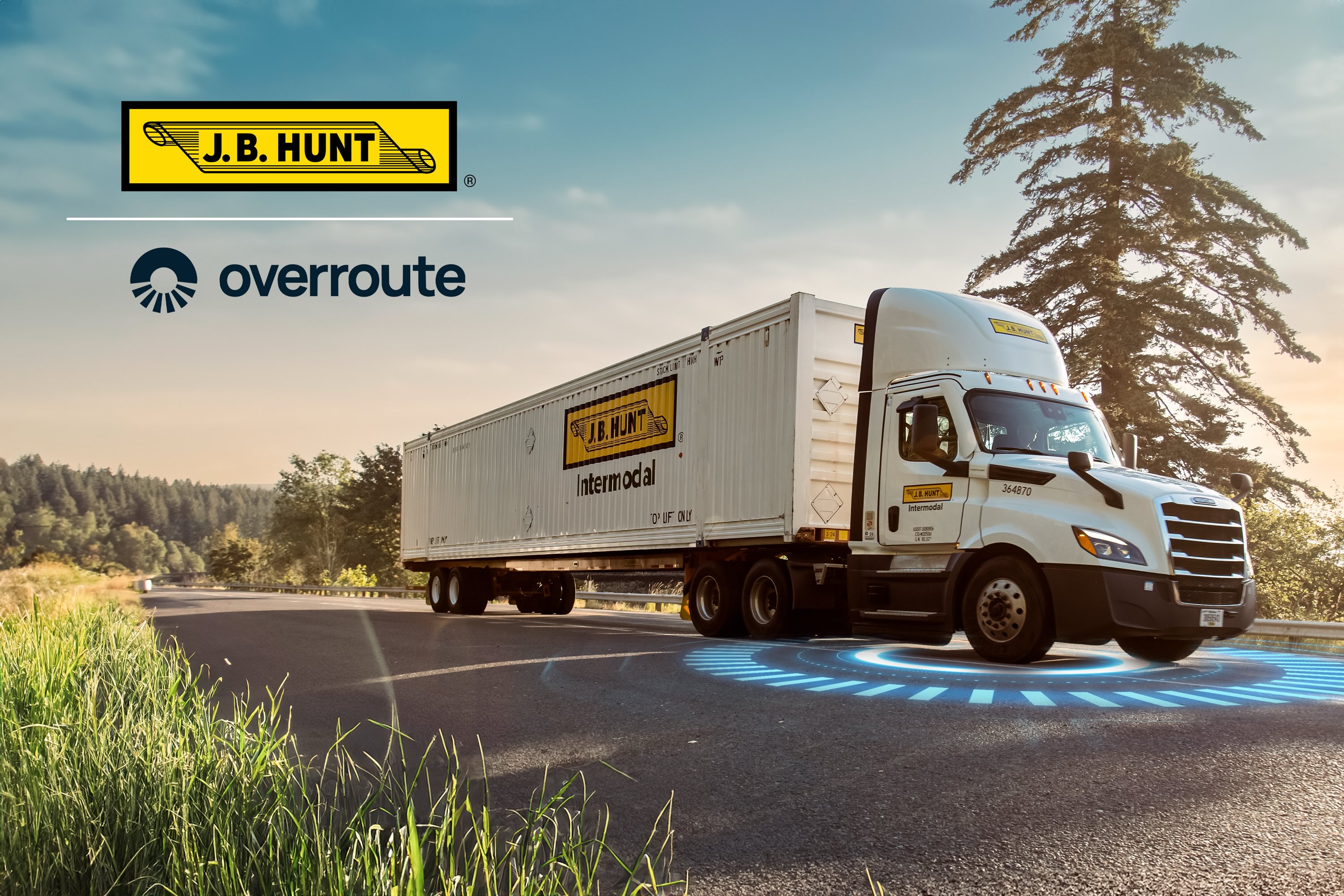
Today marks the public launch of Overroute.
Freight looks simple from the outside. A load gets picked up, moves across the country, and arrives where it is supposed to go.
Inside the operation, it looks very different. It’s more like a duck moving across a pond: calm above the water, with its legs going a hundred miles an hour underneath.
A customer asks for an update. An appointment needs to be rescheduled. A driver reports a delay. A planner needs reliable information before making the next call. An exception touches three systems and four people before anyone can close the loop.
None of those moments is especially complicated on its own. Multiply them across thousands of loads moving through a network, and they become an enormous amount of work. Emails, Teams messages, TMS updates, phone calls, portal checks, internal notes, and follow-ups. All of it is necessary. All of it keeps freight moving. It also pulls skilled operators away from the decisions where their judgment matters most.
That is the problem Overroute was built to solve: helping operators plan and execute the work around every load.
The industry is not short on visibility. Most carriers can see a lot of what is happening. The harder problem is plugging data gaps and then turning that information into action, consistently and at scale.
Another dashboard does not solve that. Neither does dropping a general-purpose AI tool into an operation and hoping people figure out what to do with it. More software is not helpful if it creates one more place to check or one more workflow for operators to manage.
Overroute takes on the coordination work around a load. Its agents monitor what is happening, surface exceptions, support appointment workflows, draft communications, and help close the loop across the systems teams already use. The operator stays in control. The repetitive work around that operator gets faster and more consistent.
There is plenty of hype around AI right now. Operations teams do not need more hype. They need ROI.
That means getting past the pilot.
AI projects often stall for familiar reasons. The data is not ready. The tool does not fit the workflow. End users are brought in too late. A business case looks good in a conference room, then the people doing the work have little reason to use what was built.
Technology at this scale cannot be done to an enterprise. It has to be built with the people who understand the operation best.
That is how Overroute was developed. The company began by building inside and alongside J.B. Hunt, across live intermodal, truckload, dedicated, brokerage and managed logistics operations. The work has touched millions of loads a year and some of the most complex freight workflows in North America.
That environment shaped the product from the start. It forced the team to deal with the actual conditions enterprise operators face: multiple systems, uneven data, edge cases, customer commitments, driver communications, appointment windows, and constant tradeoffs.
It also made one thing clear: a useful AI product cannot just produce an answer. It has to know where the answer came from, what workflow it belongs to, who needs it, what action it supports, and when a person needs to step in.
That is why Overroute starts with the work, not the model. The product is a professional tool used by skilled operators to deliver maximum leverage, not a coworker. It is designed to meet teams where their data already lives and earn adoption from the bottom up.
That last part matters. The best technology rollout is not the one an executive mandates. It is the one operators choose to keep using because it gives them time back and helps them do the job better.
The first step is coordination. The bigger opportunity comes next.
Every load, exception, handoff, resolution, and operator decision contains useful operational context. When that context is captured over time, it becomes the foundation for better planning and better decisions across the network. Small improvements compound. Assets move more efficiently. Teams handle more growth without adding the same amount of overhead.
That is the path from task-level execution to better asset utilization.
Overroute is launching with real operational experience, enterprise validation, and a team that understands how difficult it is to bring new technology into messy operational environments at scale. The product will keep improving, but the standard will stay the same: practical AI, built around the people doing the work, with value that shows up in the operation.
Freight does not need more AI theater. It needs AI that works.